
Mold Indoor Air & Water
Quality Services
Find the Right Service
Whether you have discovered visible mold, experienced water intrusion, noticed musty odors, have concerns about your indoor air, or want to better understand the quality of your drinking water, professional environmental assessment and testing can help identify conditions that may require attention.
Advanced Inspection Solutions provides professional mold assessments, moisture investigations, indoor air quality testing, and water quality testing throughout South Florida. Our assessments combine property observations, professional moisture detection, and targeted laboratory testing when appropriate to help identify areas of concern and provide clear, practical recommendations for appropriate next steps.
Our Services
Mold Assessment
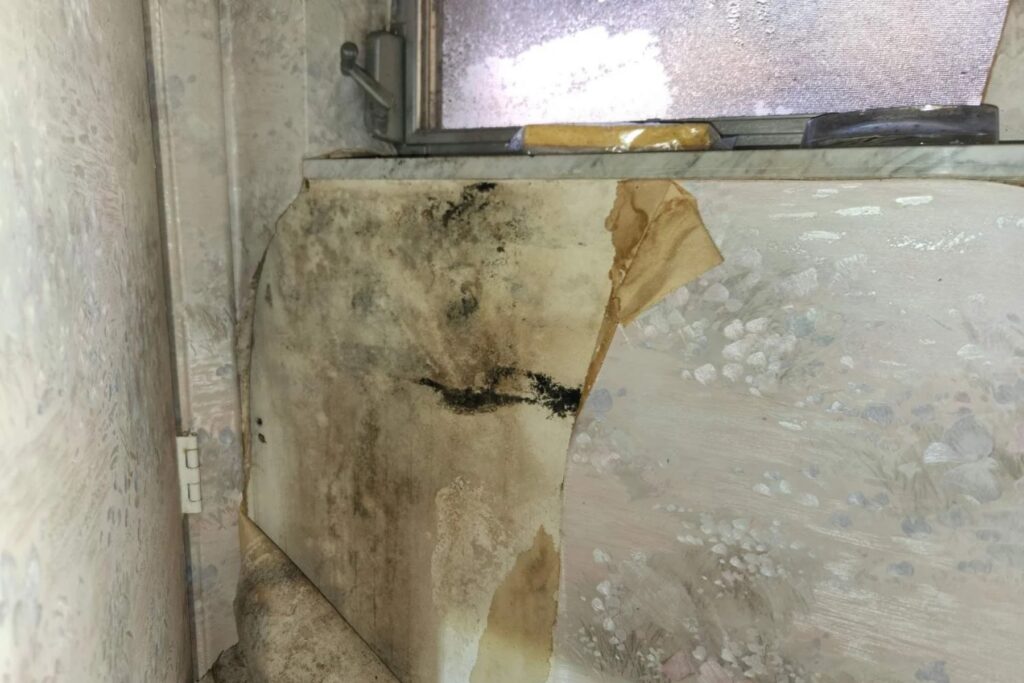
When mold is suspected, understanding the conditions contributing to the concern is just as important as determining whether mold is present. A professional mold assessment evaluates the property for visible evidence of mold growth, moisture conditions, water intrusion, and other factors that may be contributing to the concern.
Our mold assessments begin with understanding the history of the property and the reason for the assessment, including known leaks, previous water damage, musty odors, visible growth, or other reported concerns.
We evaluate readily accessible areas for visible conditions and evidence of moisture using professional moisture-detection equipment and thermal imaging when appropriate. Attention is given to areas where moisture intrusion or elevated humidity may be contributing to conditions favorable for mold growth.
Air or surface samples may be collected when appropriate to help evaluate specific conditions identified during the assessment. Samples are submitted to an independent laboratory for analysis, and the laboratory results are interpreted together with the conditions observed at the property rather than considered in isolation.
The findings are documented in a written assessment report identifying observed conditions, areas of concern, laboratory results when sampling is performed, and practical recommendations for addressing identified moisture and mold-related conditions.
When remediation is necessary, the assessment may also include a written mold remediation protocol identifying the areas and materials to be addressed and providing the recommended scope and procedures for remediation. The protocol can then be provided to a qualified mold remediator for use in developing and performing the remediation work.
Concerned About Mold in Your Property?
Whether you’ve noticed visible growth, musty odors, experienced a recent leak or water intrusion, or simply have concerns about conditions within the property, a mold assessment can help determine what is occurring and what steps may be appropriate.
Moisture Investigation
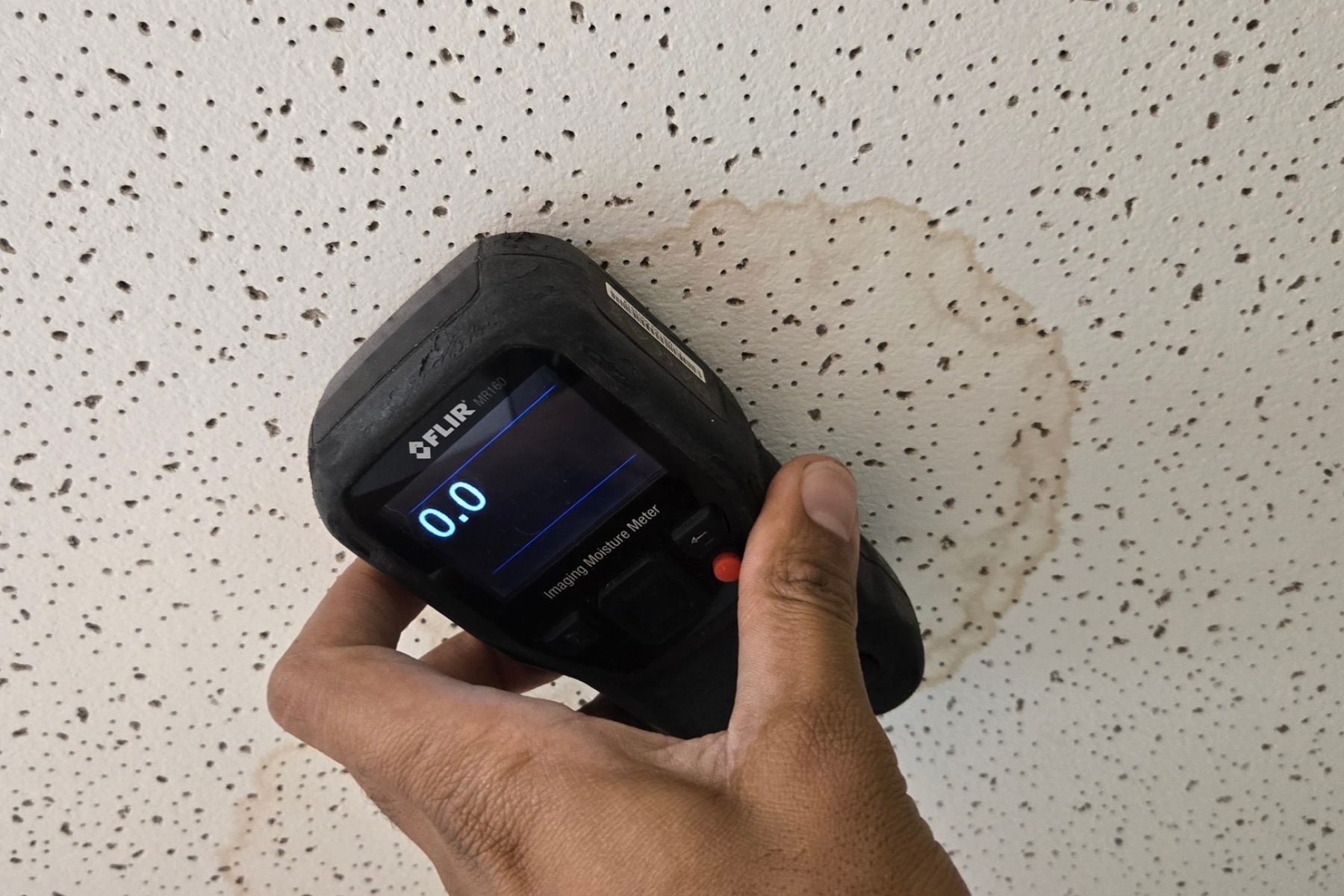
Our moisture investigations combine visual observations with professional moisture-detection equipment to evaluate areas of concern. Moisture meters are used to compare conditions within building materials, and thermal imaging may be incorporated when appropriate to help identify temperature patterns that warrant closer investigation.
We evaluate readily accessible areas for conditions that may be associated with moisture intrusion, including plumbing leaks, roof or exterior water intrusion, HVAC-related moisture, condensation, and other potential contributing factors. Because moisture can travel beyond the area where it first becomes visible, surrounding materials may also be evaluated to help determine the extent of the concern.
When conditions indicate the potential for mold growth or additional environmental concerns, mold assessment or laboratory sampling may be recommended as appropriate.
Findings are documented with photographs, moisture readings where applicable, observed conditions, and practical recommendations for further evaluation or corrective action.
Concerned About a Leak or Unexplained Moisture?
Whether you’ve discovered a water stain, experienced a recent leak, noticed dampness or musty odors, or are unsure where moisture is coming from, a moisture investigation can help provide a clearer understanding of the conditions present.
Air Sampling
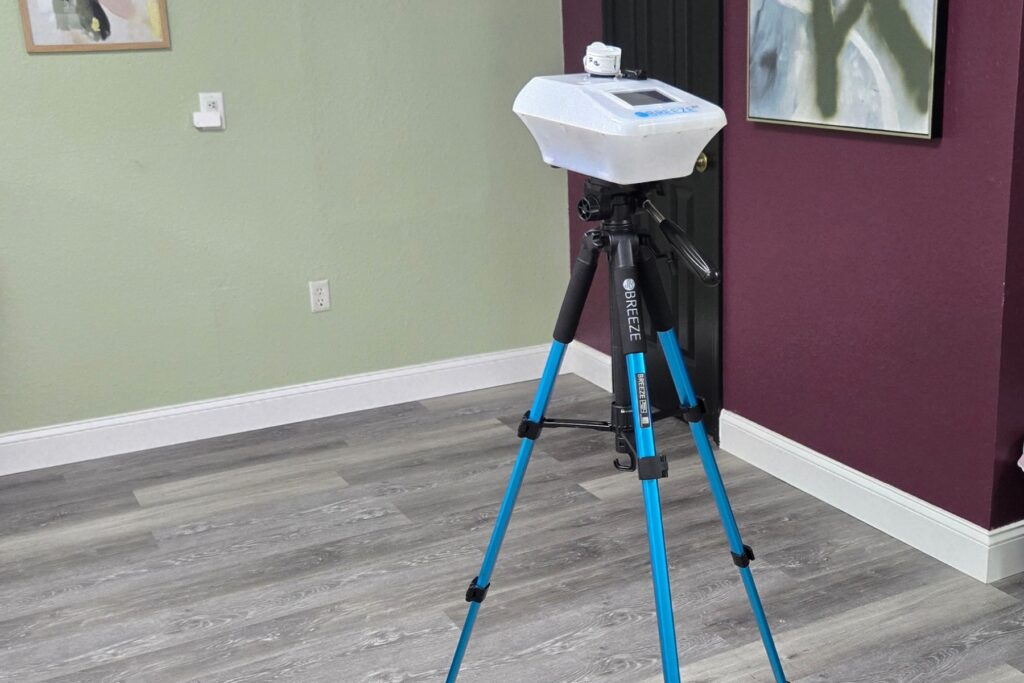
Air samples are collected using professional sampling equipment and submitted to an independent laboratory for analysis. The laboratory identifies and quantifies mold spore types present in each sample, providing information that can be used as part of the overall assessment.
Sample locations are selected based on the property, reported concerns, and conditions observed during the assessment. An outdoor sample is typically collected to provide a reference for comparison with indoor conditions.
Air-sampling results are evaluated together with visual observations, moisture findings, building conditions, and other available information. Laboratory results are not considered in isolation, as mold-spore concentrations can vary based on environmental conditions and conditions present at the time of sampling.
When results or site conditions indicate an area of concern, additional investigation, moisture evaluation, surface sampling, or other appropriate recommendations may be provided.
Concerned About the Air in Your Property?
Whether you’ve noticed musty odors, experienced previous water intrusion, have concerns about hidden mold, or simply want additional information about airborne mold conditions, air sampling can provide useful information as part of an appropriate assessment.
Surface Sampling
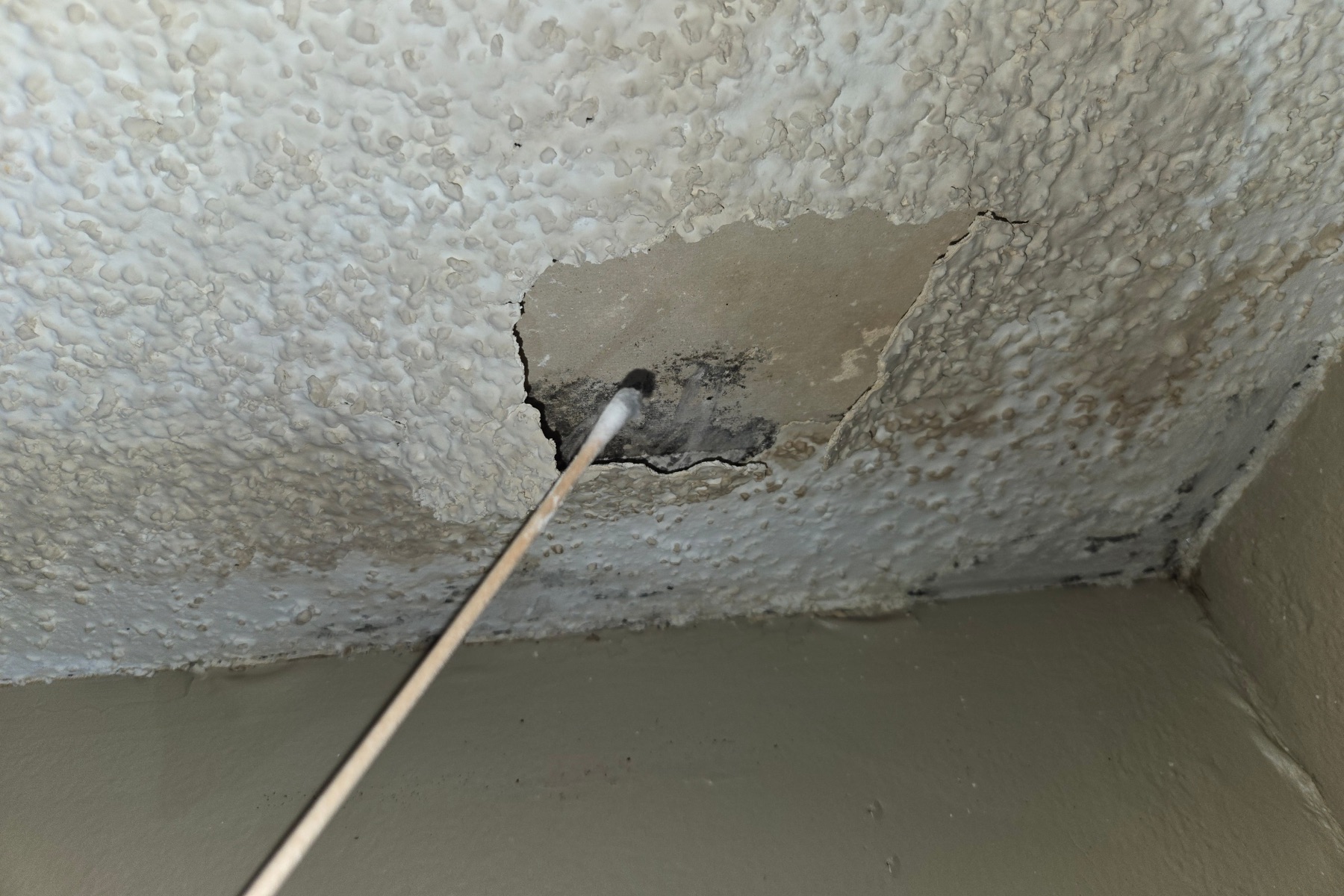
When visible growth, staining, or a suspicious surface condition is present, surface sampling can help determine whether mold is present and identify the types of mold associated with the sampled material or area.
Surface samples may be collected using swabs, tape lifts, or other appropriate sampling methods depending on the material and conditions present. Samples are submitted to an independent laboratory for microscopic analysis and identification.
Sampling locations are selected based on visual observations and the specific conditions being evaluated. Surface sampling can be particularly useful when confirming suspected mold growth, evaluating questionable discoloration, or documenting conditions within a specific area.
Laboratory results are evaluated together with visual observations, moisture conditions, and other information gathered during the assessment. Because a surface sample represents the specific location sampled, the results should not be interpreted as representing conditions throughout the entire property.
When mold growth is identified, the findings can help determine whether additional investigation or remediation may be appropriate.
Have a Suspicious Area You Want Evaluated?
If you’ve noticed visible growth, unusual staining, or discoloration and aren’t sure what it is, surface sampling can provide additional information about the condition present.
Schedule Mold Testing | Contact Us
Advanced Indoor Air Quality Particulate Analysis
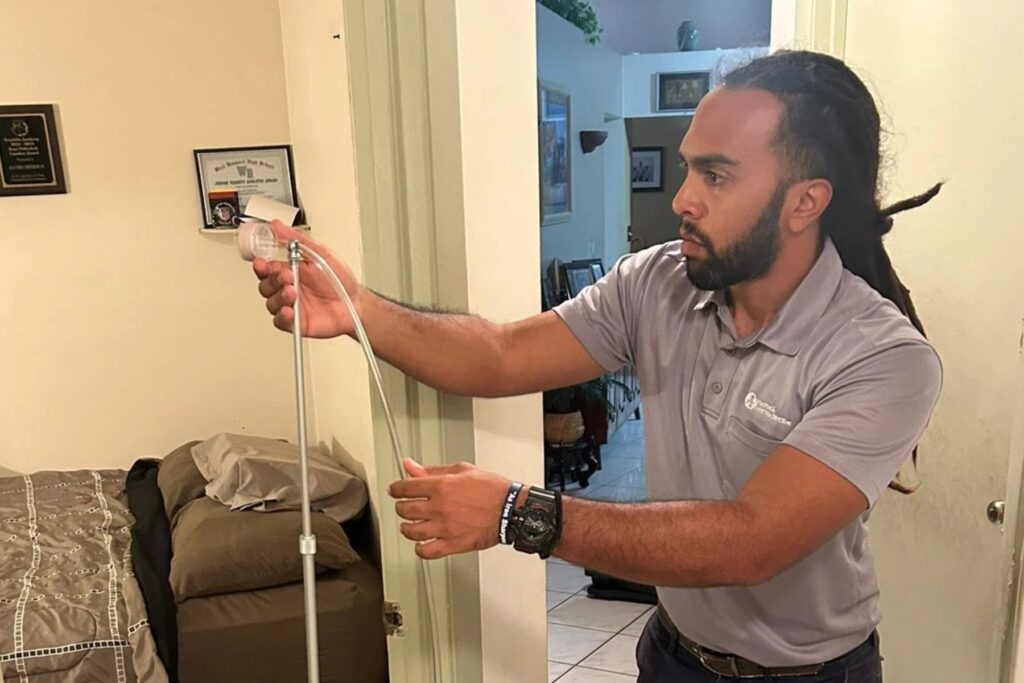
Depending on the particles present, laboratory analysis may identify materials such as pollen, dust-mite debris, animal or human debris, fiberglass, cellulose and synthetic fibers, gypsum-board debris, soot and fire-related particles, silica, metals, paint pigments, and other environmental particulates.
Using specialized air-sampling media, samples are collected from selected areas of the property and submitted to an independent laboratory for microscopic analysis. Unlike standard mold air sampling, which focuses primarily on fungal spores, advanced particulate analysis evaluates a broader range of airborne materials.
The laboratory findings are evaluated together with the concerns reported by the client and conditions observed at the property to provide additional information about potential sources or contributors within the indoor environment.
This testing is intended to evaluate airborne particulate matter and should not be confused with testing for gases or chemical contaminants such as VOCs. Results also do not, by themselves, establish whether a particular condition is causing a health effect.
Have Indoor Air Quality Concerns Beyond Mold?
If you’re experiencing unusual dust or debris, concerns following construction or renovation, suspected soot or fiberglass contamination, or other unexplained indoor air quality conditions, advanced particulate analysis can provide a closer look at what may be present in the air.
Post-Remediation
Verification (PRV)
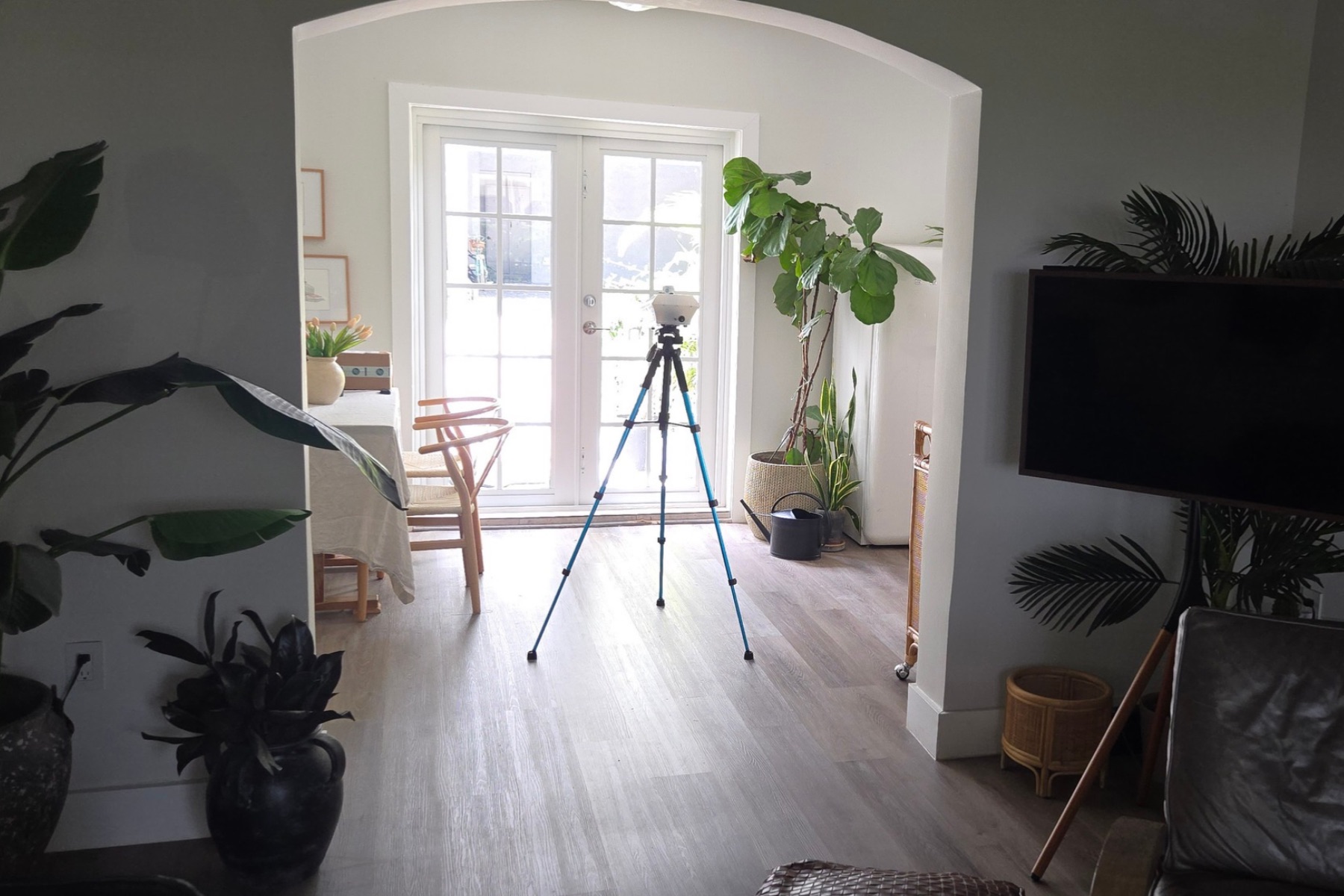
After mold remediation has been completed, a Post-Remediation Verification assessment provides an independent evaluation of the remediated areas to determine whether the work has addressed the conditions identified during the assessment and whether the areas are suitable for post-remediation evaluation.
The verification process includes a visual evaluation of the remediated areas and surrounding conditions for remaining visible mold growth, dust, debris, moisture, or other conditions that may indicate incomplete remediation. Moisture measurements are collected where appropriate to help verify that affected building materials are sufficiently dry.
Air or surface samples may also be collected when appropriate or when required by the remediation protocol. Laboratory results are evaluated together with the visual and moisture findings to determine whether the conditions within the remediated areas are consistent with the established post-remediation criteria.
Containment and other remediation controls should remain in place until the verification process has been completed and acceptable conditions have been established.
The findings are documented in a written Post-Remediation Verification report, identifying the areas evaluated, conditions observed, applicable sampling results, and whether the established verification criteria were satisfied.
Has Mold Remediation Been Completed?
Before containment is removed and repairs or reconstruction begin, a Post-Remediation Verification assessment can provide independent documentation of the conditions within the remediated area.
Water Quality Testing
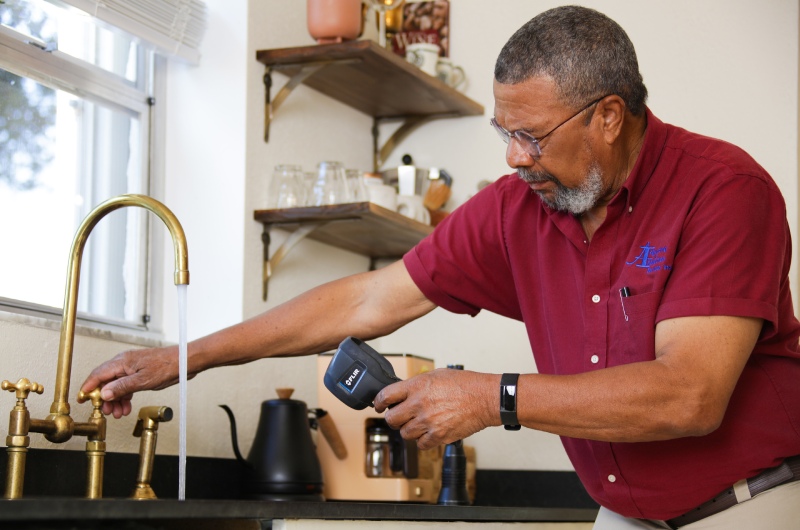
Water samples are collected using appropriate sampling procedures and submitted to an independent accredited laboratory for analysis. Depending on the testing selected, analysis may include E. coli and coliform bacteria, lead, nitrate, nitrite, and other applicable water-quality parameters.
The laboratory report identifies the parameters tested, measured results, applicable acceptable ranges, and pass/fail determinations where applicable, providing clear information about the water sample analyzed.
For homebuyers, water quality testing can be added to a pre-purchase inspection to provide additional information about the property’s drinking water before closing. Testing may also be required for certain FHA, VA, USDA, or other lending transactions, depending on the property and loan requirements.
For private well owners, periodic water testing can provide important information about water quality and help identify certain contaminants that may not be apparent through the water’s appearance, taste, or odor.
For homeowners with water quality concerns, testing can be useful when changes in the color, odor, taste, or appearance of the water are observed. Laboratory testing can provide additional information about certain water-quality parameters and help determine whether further investigation may be warranted.
Buying a Property or Have Concerns About Your Water?
Whether you need water testing as part of a real estate transaction, have a private well, or have noticed something unusual about your drinking water, contact us to discuss the appropriate testing for your needs.
Step One
Schedule your assessment. Submit an online request, call or text us, or send an email to schedule your upcoming assessment.
Step Two
We conduct an on-site evaluation of the property, investigate areas of concern, and perform appropriate air or surface sampling when necessary.
Step Three
We will provide you with your report and any necessary follow-up support to ensure you are fully equipped for the next steps in your process.
What We Assess
Visible Mold Growth
Moisture Conditions
Water Intrusion
Previous Water Damage
Musty Odors
Indoor Humidity
HVAC Conditions
Building Materials
Indoor Air Quality
Water quality
Our mold and indoor air quality services are available to:
Homeowners
Homebuyers
Property Managers
Landlords
Tenants
Real Estate Professionals
Commercial Property Owners & Lessees
Have Concerns About Your Indoor Environment?
Whether you have noticed visible mold, musty odors, water intrusion, unusual indoor air conditions, or concerns about your drinking water, contact us to discuss your concerns and determine the appropriate assessment or testing services for your situation.
Who We Help